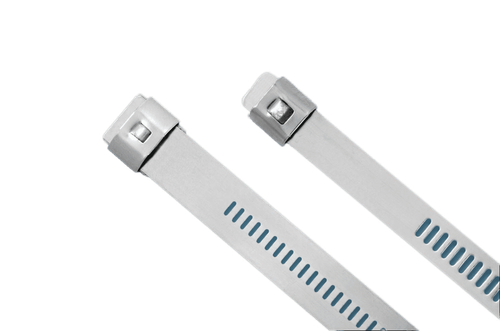
Ball Lock Steel Tie
Stainless steel ball lock cable tie with integrated self-locking mechanism for permanent, tamper-proof cable securing. Available in 305 or 316 stainless steel for marine and industrial environments.
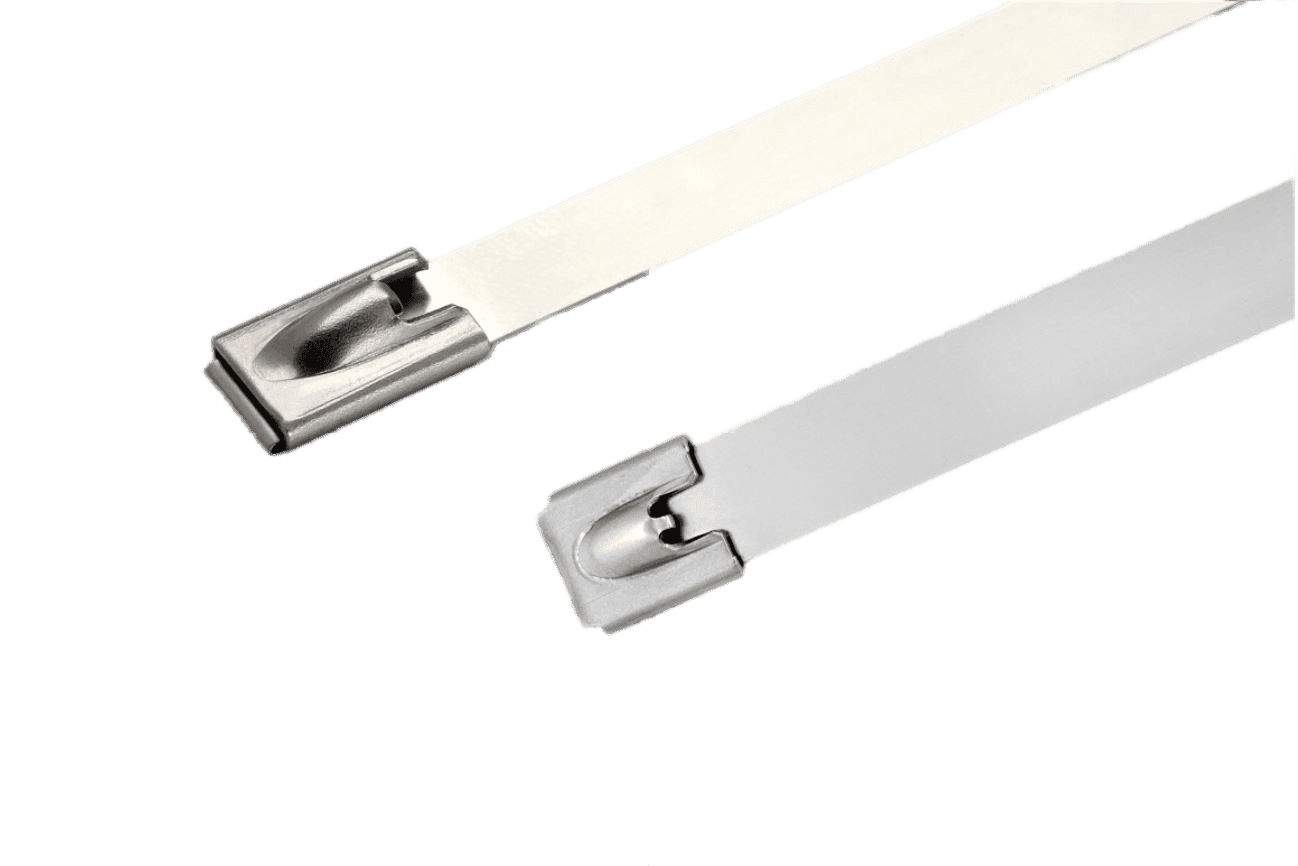
Ball lock stainless steel cable ties provide permanent fastening with integrated self-locking ball mechanism. Installation requires minimal effort while maintaining high tensile strength. Suitable for securing industrial cables in marine and terrestrial harsh environments.
Uncoated variant offers baseline corrosion resistance through material selection. Coated variant available for enhanced protection in severe corrosive environments.
APPLICATIONS
Primary use cases.
Marine Cable Management
Securing cables aboard commercial and industrial vessels in saltwater environments.
Industrial Fastening
Permanent cable bundling and securing in manufacturing, processing, and utility infrastructure.
Outdoor Infrastructure
Cable management in exposed terrestrial applications including utility lines and structural installations.
TECHNICAL DATA
Complete specifications and tolerances for the Ball Lock Steel Tie.
| PARAMETER | SPECIFICATION |
|---|---|
| Material Options | Stainless Steel 305 or 316 |
| Finish | Uncoated (coated variant available) |
| Locking Mechanism | Integrated self-locking ball |
| Installation | Low-effort manual engagement |
| Application | Permanent cable securing |
TECHNICAL FAQ
Common specifications and regulatory inquiries.